Video Surveillance: your key to total perimeter vision

Updated: May 22
How Video Surveillance Supports 24/7 Peace of Mind When Implemented Effectively
Table of contents:

Introduction
Video surveillance is one of the most effective tools for deterring potential intruders or unauthorized users. It can monitor vulnerable areas, record critical incidents, and even lower insurance premiums. While video surveillance is a highly effective perimeter security tool, it’s crucial to implement it correctly for optimal effectiveness.
This article explores the role video surveillance plays in perimeter security, the benefits of effective implementation, and key factors to consider when designing a video surveillance strategy.
The Role Video Surveillance Plays
Video surveillance systems are critical for perimeter security. They provide constant monitoring of your perimeter and facilities. These systems can detect movement, changes in temperature, or unusual activity. They alert the appropriate personnel before a breach occurs, making them essential for any layered security approach.
Modern surveillance systems offer remote monitoring capabilities. Security managers can access live feeds and recorded video via apps on smart devices. This allows a small team or even a single individual to monitor expansive property sites, multiple locations, or remote areas from virtually anywhere, at any time.
Video surveillance is most effective when integrated with other perimeter security systems and components. These include alarms, lights, and two-way communication systems. Here are some types of security solutions that can be integrated with video surveillance:

Security Barriers: These are designed to stop vehicles from penetrating the perimeter. Examples include bollards, wedge barriers, rising beams, drop arms, and cable barriers.
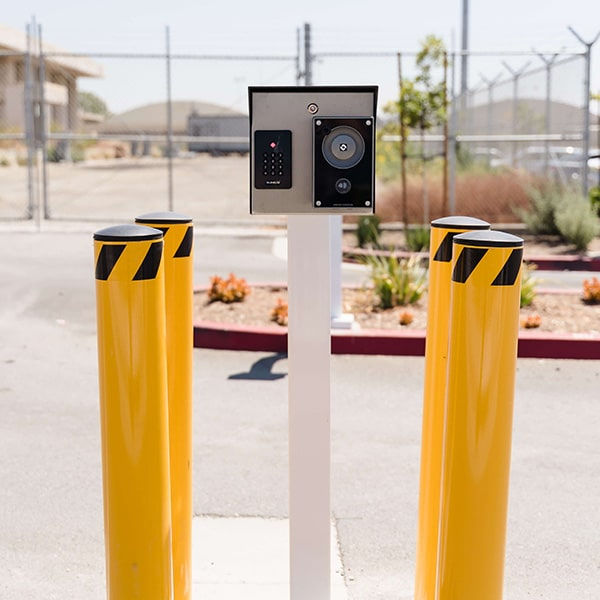
Access Control Systems: These control entry and exit for vehicles and pedestrians. Options include automated gates, overhead doors, turnstiles, card readers, biometric scanners, smart locks, and mobile access solutions.
Alarm Systems: These, along with responsive lighting and sensors, alert security teams when movement or unusual activity is detected.
Regardless of other perimeter security setups, video surveillance is crucial for ensuring your perimeter remains safe from emerging security threats.
Benefits of Using Video Surveillance
Numerous studies show that video surveillance significantly prevents security breaches. The mere presence of security cameras can deter potential intruders who realize they are being monitored.
Providing security teams with constant, live views of the perimeter allows them to monitor vulnerable areas in real-time. This means security personnel can oversee sensitive areas 24/7 and respond to incidents more quickly.
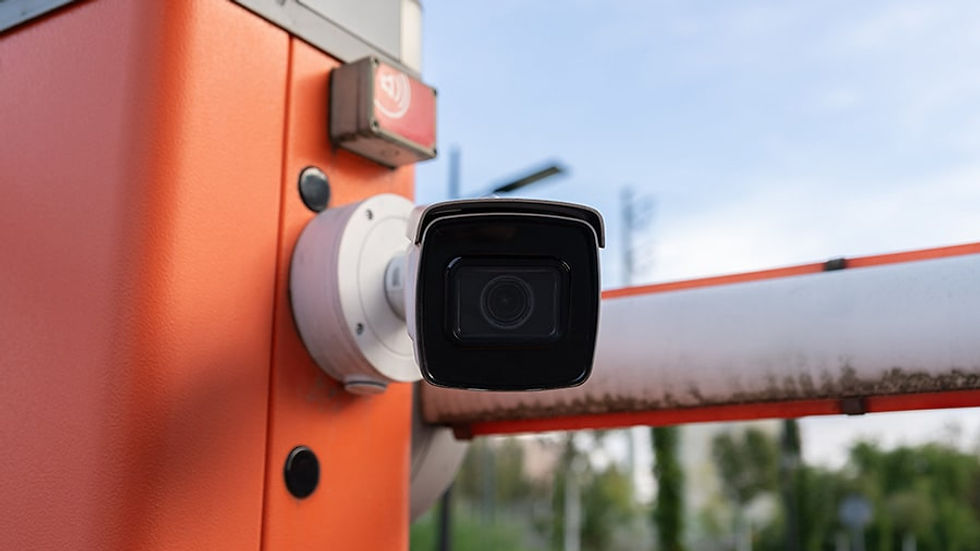
Advanced surveillance systems leverage AI to analyze live feeds for suspicious behavior. After establishing a baseline for normal behaviors, AI can monitor feeds in real-time. It detects and flags irregular activity, automatically sending alerts to security teams or law enforcement when suspicious behavior or unauthorized access is identified.
For vehicle access, modern surveillance systems automate entry and exit protocols using advanced technology. Technologies like facial recognition and Automatic License Plate Recognition (ALPR) capture necessary verification information quickly and securely.
In addition to real-time monitoring, recorded footage benefits businesses in various ways. In the event of a security breach, high-quality video can be used to:
Help identify perpetrators
Establish a timeline of events
Provide security personnel with better training
Develop improved response protocols
Streamline security operations
Beyond real-time benefits, recorded footage can provide evidence in investigations, necessary information for insurance claims, or crucial details in legal proceedings.
While the initial investment for a video surveillance system may be high, the long-term cost-saving benefits outweigh this. When strategically placed, businesses can reduce the need for a large, on-site security team.
In terms of operational expenses, maintaining video surveillance is significantly less costly than salaries, training, and equipment for expanded security teams. This is especially true in high-security scenarios where 24/7 monitoring or highly trained personnel are required.
Regarding insurance, with a reduced risk of security breaches, businesses file fewer claims and enjoy lower premiums. Many insurance providers offer discounts ranging from 5% to 20% for having effective video surveillance.
Other Considerations for Effective Video Surveillance
To wrap things up, several key considerations should guide businesses when implementing video surveillance. First, while video surveillance is an exceptional tool for keeping businesses and personnel safe, it shouldn’t be the sole protective measure. Over-reliance on video surveillance can lead to complacency in other security and risk management protocols, exposing the business to greater security threats.

Like any technology, surveillance systems can fail, be hacked, or experience technical issues that affect image quality. Therefore, it’s essential to have other security measures in place to protect facilities if video surveillance fails.
To keep personnel and pedestrians comfortable, consider their privacy when determining camera placement. First and foremost, signage should inform people they are being recorded.
Avoid placing cameras in sensitive areas, and be aware of legal constraints regarding camera placement, recording usage, and ethical considerations. Ensure the business adheres to:
Privacy laws such as GDPR, CCPA, and HIPAA
Power supply regulations from NERC/FERC
Appropriate camera placement
Authorized personnel reviewing recorded footage
Secure encryption and storage of recorded footage
Effective video surveillance can be complex, especially with advanced technology. It may require specialized knowledge for installation and operation, leading to challenges in training and staffing.
Consider using a professional service. They possess the expertise to strategically place security cameras, install them correctly, and maintain them to ensure peak efficiency.
If you need a simple guide to help your business set up effective video surveillance, check out our Video Surveillance Checklist below:
Planning Step: A security assessment should determine your security strategy and ensure compliance with local and federal regulations.
Selecting Equipment: Choose video surveillance solutions that best meet your unique security strategy objectives, including camera types and features.
Installation, Integration, Testing: Ensure video surveillance is installed correctly and integrated with other security systems.
Establish a Maintenance Plan: Properly maintained equipment ensures video surveillance systems operate at peak efficiency and have a long lifecycle.
To ensure your video surveillance implementation is seamless, IronSite is offering you a free site assessment to help develop a tailored security strategy for your business's unique needs. Just mention this blog article when you contact us below!
Conclusion
When used correctly, video surveillance systems are among the best solutions for establishing robust perimeter security. When integrated with other security systems, businesses can achieve 24/7 peace of mind against security threats. However, due to their complexity and advanced technology, it’s equally important to ensure they are installed and maintained correctly. If you need a trusted security partner to implement effective video surveillance, don’t hesitate to contact IronSite.
IronSite is a national physical security provider with specialized expertise to deliver premium solutions at scale. Our extensive family of brands nationwide enables responsive and consistent service and support for all our clients, wherever they may be.
Media Contact
Terin Pickett
IronSite
1595 E. 6th St; Suite 101
Corona, CA 92879


Comments